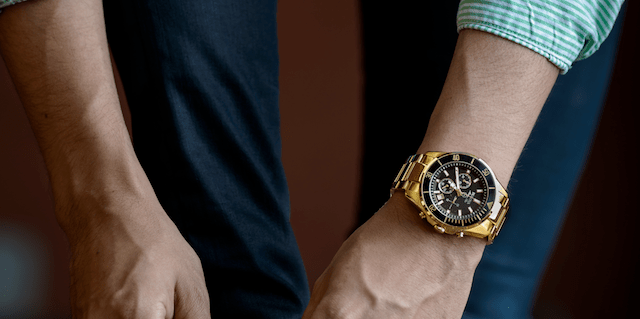
If one were to seek out a high-end luxury wearable today, you’d be hard-pressed to find one. Given industry predictions that this space will be worth $34 billion by 2020, and the pressure on for pieces that capture both aesthetics and function, you might deduce that luxury fashion houses have missed the boat.
Newer generation designers and entrepreneurs seem to be jumping onto the wearables bandwagon with amazing haste. In the meantime, top-tier luxury brands are treading with caution.
Seeing what many have perceived as an untapped market within the luxury space, tech companies who have not traditionally occupied the domain of “fashion” have been quick to seek out partnerships with reputable fashion houses.
This isn’t overly surprising given that last year the global luxury market surpassed €1 trillion in retail sales value in 2015.
One such bold move, is the partnership of Samsung with swiss watchmaker De Grisogono – the goal in mind, an ultra-luxury smart watch that marries the rich tradition of swiss watchmaking with all the technological trappings for today’s digitally connected consumer. This, all set to retail at a price of $15,000.
While such collaborations are indeed to be highly commended, one can’t help but wonder how they will fare. Can luxury brands built on the very foundation of heritage and tradition, really afford to risk it all, in order to dabble with a highly promising market that has yet to stand the test of “time”.
With reports that that the Apple Watch outpaced Rolex last year, by a whopping $1.5 billion in sales, one would have assumed that luxury swiss watchmakers would be calling in the troops in a frenzy. Yet they seem relatively unfazed. With good reason.
The loyalty and affinity that has been nurtured by luxury icons and fashion houses over the years seems to have inspired unwavering confidence on their part. At the core of this loyalty and affinity seem to rest, the magic tenets of “relationship” and “experience”.
While we haven’t witnessed luxury brands quaking in their boots, just yet, many clearly understand that they will need to extrapolate the “experience” and “relationship” aspects, both online and offline to meet the needs of today’s digitally-connected consumer. All while tackling the exclusivity – accessibility divide with extreme tact. With LVMH hiring ex-apple execs to guide their activities online, it is clear that luxury brands are doing just that.
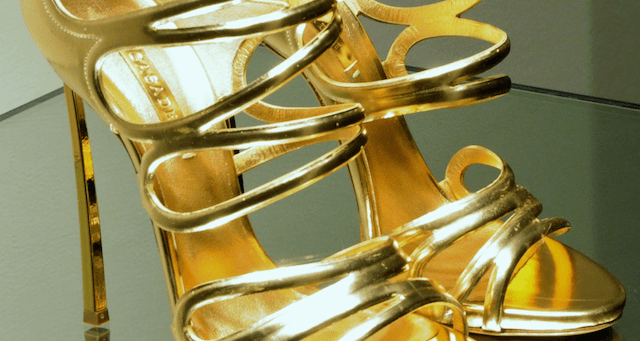
In November last year, Dior made a bold move into online retail with a pop up digital store for its shoe line. Carried out in partnership with high-end retailer Bergdorf Goodman, seven social media fashion influencers were chosen to showcase the styles with images. While it is not clear how the initiative fared overall, it is clear that Dior are treading cautiously when it comes to extending their full collections to online retail.
In an interview with WWD, Pamela Baxter, president of Christian Dior Couture said:
“The retail experience and relationship building between our expert sales associates and our clients is really important to us. To be quite frank, we don’t know how that relationship would build online…..When we find that experiential relationship connection and how to do that online, we’ll jump in with both feet.”
Offline, Dior is experimenting with other innovative technologies that have immense potential to add further weight to the relationship and experience aspects of the brand. The creation of high-fashion’s first VR headset exclusive to Dior, has us in no-doubt that harnessing new technologies is firmly in sight.
“People don’t want reasons to buy products, they want true bonds” said DigitasLBi, the global marketing and technology agency who worked in collaboration with Dior to build the headset.
Broadly speaking, this statement rings true across the board, but no where truer than in the case with luxury brands. These are, at their core, aspirational brands, they have invested in the experience and relationship assets to such extent that brand loyalty and affinity will be hard to shake. So while they might be minding the Wearable Tech gap with tact for now, it is clear that they are continuing to strengthen their investments in these assets through new and emerging technologies.
With their very foundations built on heritage and tradition, it will be interesting to see how they strike a balance while adapting to the needs of the digitally-connected consumer. I, for one will be watching this space with great interest.

 Saira Mullick