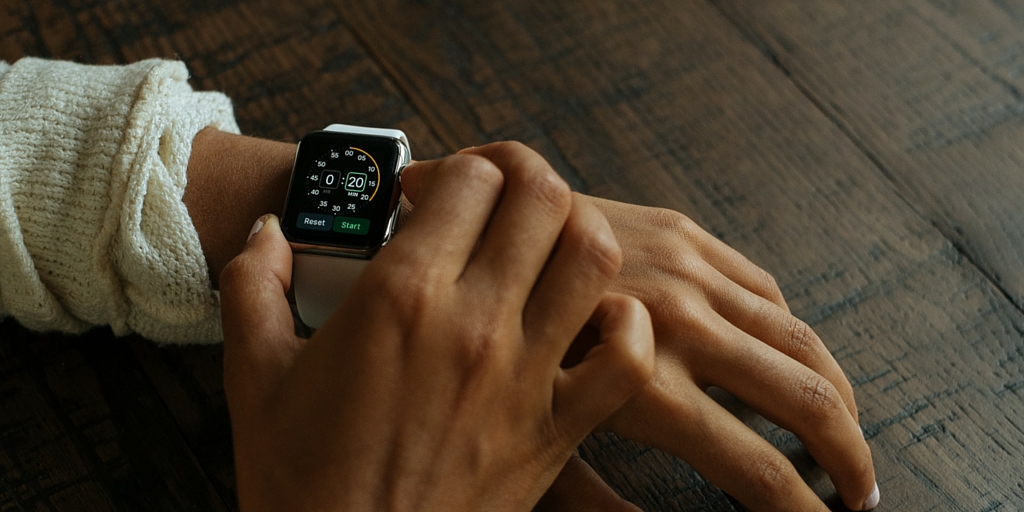
So you’ve bought the latest wearable gadgetry! congratulations!! It tells you how active (or not) you’ve been today, how many calories you’ve burned, you can pay with it, and it’ll even find the way home for you after you close that bar down. Yet, one day, just one day in the near future – you abandon your useful companion. Sadly, this is the inevitable fate of many a smartwatch and fitness tracker today. Wearable Tech abandonment has become commonplace.
This abandonment epidemic has had its time dominating the topic of blogs and conversations over the years, with most coming to the wide-spread realization that core value propositions need to be enhanced, beyond counting steps and heartbeats – to creating meaningful and personalized experiences for users.
Over the last few years we’ve witnessed a flood of promising and thankfully more aesthetically informed wearables coming onto the market. This leaves startups more susceptible to abandonment as products are ditched for “cooler” or more “innovative” ones in a heartbeat. While more established players such as Fitbit and Apple have the added advantage of deeper pockets and an established brand reputation, complete with loyal following – many newer entrants are starting from scratch. For these companies, it will be important to understand that coming up with an exciting new product that ticks all the boxes is not where the innovation journey ends. It is, in fact just the beginning.
Embodying the Innovation Mindset into Company Culture
In order for these companies to have a solid chance in this space, embracing an Innovation Mindset is critical. This Mindset needs to be embodied through all aspects of the organizational culture, and reflected in all interactions, from customer service and support, right through to organizational dealings with employees. Every touch point needs to be accounted for. It is at these points that there are immense opportunities to create positive brand experience, nurture trust and enhance brand value. Harnessed correctly, these touch points can be key to un-locking a deeper understanding of customer needs and wants, enabling companies to build and create sustainable products that will override the novelty factor. Here are just three key areas that players in this space should take into account when looking to circumvent the abandonment epidemic:
Co-Create
Its official – co-creation is not a word belonging to self-empowerment aficionados alone. Ensuring customers can be part of the brand-building process will serve players well. Not only does this reflect a brand’s commitment to customer-driven innovation, it also engages consumers in a deeper “relationship” with the brand, helping to personalize the journey and cultivate loyalty. And, when it comes to the bottom line – co-creating can cut market-research and R&D costs significantly. For however cutting edge it sounds, this really isn’t a new concept, brand giants such as Proctor and Gamble (P&G), Nike and Starbucks have been co-creating through online platforms for many years, with great success. What makes co-creation sound like an almost novel concept is the increasing need for it. Millennials have overtaken the baby-boomer generation in size and are matched by an impressive spending power of $200 billion in the US alone.
“Without question, Millennials are redefining brand marketing. For example, Millennials don’t just want to buy your brand, they want to be a part of it. They want to be active participants.” says Jeff Fromm, EVP at Barkely and and co-author of Marketing to Millennials: Reach the Largest and Most Influential Generation of Consumers Ever.
With millennials being 2.5 times more likely to be adopters of new technology, it is clear that they will remain a key focus for the wearables space. Putting processes in place that encourage co-creation and participation throughout has never been so important.
Care
It’s not just about a cool website or logo – a brand is the sum total of perception. Add the social currency factor into this and we all know that bad reviews from employees and customers can wreak havoc. Things will sometimes go wrong, but when organizations rock the service and support area, and are nice about it, it goes a long way. Running smaller organizations on highly restricted budgets can be be stressful. However if a mistake has been made, players need to fess up and make it right. Converting this into an opportunity to create trust and not a PR crisis is key. Yes, employees are customers too! Jawbone, an established player in the activity tracker space, may have found this out the hard way – and could have avoided a few major issues had it taken input from its employees seriously. (Throwing employees under the bus at the first sign of trouble is never a good idea either, read more on this story at Tech Insider. )
Collaborate
Industry collaborations are on the agenda big time. That’s because we’ve learned some tough lessons over time – we don’t know everything about everything. Even Apple has a few skeletons in its “closet”. The Apple Fashion Collection of the eighties didn’t quite make the covers of Vogue back then, however, to be fair – the collection did include a watch – complete with Apple logo. While the jury’s still out on whether or not this is indeed a demonstration of Apple’s innate ability to be futuristic and predict the style and sensibilities of Geek Chic, it’s great to see that they have begun strategically investing in partnerships with major players in the fashion world. In fact the brand leader has taken cross-industry collaboration so seriously that it has even hired fashion execs ( Angela Ahrendts from Burberry and Paul Deneve from Yves Saint Laurent) to its own ranks.
In a Nutshell
Given today’s demand for consumer participation in brand creation, Wearable Tech players that want to escape the gadgetry scrap heap will need to look beyond functionality and cool features, and towards motivating consumers to participate in the brand creation process. In order to do this they must pay special attention to the key concepts of co-creation, collaboration and customer care.

 Saira Mullick